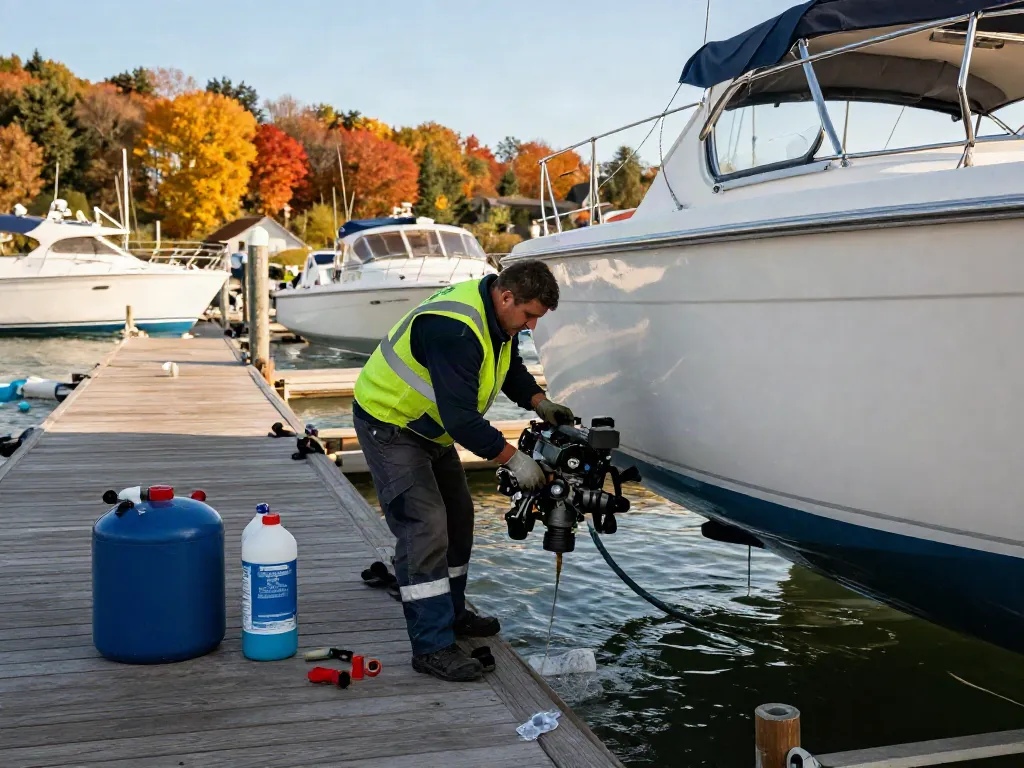
Introduction to Boat Winterization
As the boating season comes to an end, preparing your vessel for winter is a critical task that every boat owner must undertake. Boat winterization ensures that your watercraft remains in optimal condition throughout the cold months, preventing costly damages due to ice and freezing temperatures. Neglecting this essential process can lead to significant repairs and a shorter lifespan for your boat.
Winterization practices can vary based on the type of boat you own and its specific components. However, regardless of your vessel's size or purpose, understanding the fundamentals of boat winterization is essential. In this article, we'll delve into what winterization entails, the importance of performing it correctly, and common misconceptions that many boat owners may have.
What is Boat Winterization?
Boat winterization refers to a series of preventive measures taken to protect a boat from the harsh realities of winter. This process involves properly preparing the vessel's systems, ensuring that all water is drained, and protecting critical components with antifreeze and other substances to prevent freeze damage. It typically involves various steps, including engine preparation, fuel system stabilization, and safeguarding electrical systems.
Importance of Proper Winterization
Proper winterization is not just about preserving your boat; it's an investment in its longevity and performance. When done correctly, winterization can:
- Prevent engine damage due to freezing temperatures, which can cause components to crack or burst.
- Protect your fuel system from moisture accumulation and algae growth.
- Extend the life of your boat's components and systems by reducing wear and tear caused by winter conditions.
- Minimize the risk of costly repairs and the need for extensive maintenance at the beginning of the next boating season.
Common Misconceptions about Winterization
Many boat owners hold misconceptions about the winterization process. Some believe that simply covering their boat with a tarp is sufficient, while others may think that winterization is only necessary for certain types of boats. It's crucial to debunk these myths to emphasize the importance of a thorough winterization process.
For instance, some might assume that boats kept in indoor storage do not require winterization. However, even inside, fluctuations in temperature can lead to moisture build-up, making winterization necessary to safeguard the vessel's systems.
Essential Steps for Effective Boat Winterization
Preparing Your Boat Before Winter
Before diving into the specifics of winterizing your boat, it's essential to prepare adequately. Start by gathering the necessary tools and products that will aid in the winterization process. Clean the interior and exterior of your boat thoroughly, removing any organic material that could decompose over the winter and lead to odors or mold.
Additionally, inspect your boat for any existing issues, such as leaks, and address them before winterizing. This proactive approach will save you time and hassle later.
Step-by-Step Guide to Winterizing Engines
Engine winterization is crucial for protecting your boat's most vital component. Here's a step-by-step guide:
- Flush the engine with fresh water to remove any contaminants.
- Change the oil and replace the oil filter to eliminate residue that could corrode the engine.
- Run antifreeze through the engine following the manufacturer's instructions, ensuring that all parts are adequately protected.
- Inspect and replace the spark plugs if necessary, and ensure that all fuel lines are clear and functioning.
Winterizing Fuel Systems Safely
Fuel systems are particularly vulnerable to winter damage due to the possibility of condensation forming in the tank, leading to corrosion and damage. To safely winterize your fuel system:
- Fill the tank with fresh fuel and add a fuel stabilizer to prevent ethanol-related issues.
- Run the engine for a few minutes to ensure the stabilizer circulates throughout the system.
- Shut off the fuel supply and disconnect the battery for added protection.
Tools and Products for Successful Winterization
Best Antifreeze Products for Boats
Choosing the right antifreeze is vital for protecting your boat. Look for non-toxic marine-grade antifreeze, specifically designed for boat systems. These products typically have a lower freezing point and are safer for the environment, making them ideal for winterizing your boat.
Recommended Winterization Kits
Many marine supply stores offer winterization kits tailored to specific types of boats. These kits typically include essential items such as:
- Antifreeze
- Oil filters
- Fuel stabilizers
- Cleansers for boat interiors
Using a comprehensive kit ensures that you have all the necessary tools to complete the winterization process effectively.
Tools You’ll Need for the Process
Having the correct tools on hand will make the winterization procedure smoother and more efficient. Key tools include:
- Wrenches and screwdrivers for engine maintenance
- Propeller removal tools for checking the prop and lower unit
- Hoses and funnels for pouring antifreeze
- Storage containers for items you may remove during the process
Common Challenges in Boat Winterization
Identifying and Fixing Leaks Before Storage
Leaks can be a significant problem if not addressed before winter. Inspect your boat's hull, plumbing, and storage compartments for any signs of moisture or wear. Being proactive now will help protect your boat from extensive damage come spring.
Debunking Myths About DIY Winterization
While some boat owners may feel confident in their ability to winterize their boats, it's essential to understand your limits. Some aspects of winterization, especially those involving the engine and fuel systems, may require a professional touch. Always err on the side of caution and consult a marine technician if you're unsure about any part of the process.
Handling Uncertainty in Winter Conditions
Weather conditions can be unpredictable. It's crucial to monitor local forecasts as winter approaches. If you anticipate extreme cold or heavy snow, ensure that you have proper tarps or covers in place to protect your boat further. Additionally, consider investing in a dehumidifier or moisture-absorbing products to prevent the build-up of humidity inside your boat.
Future Trends in Boat Winterization for 2026
Innovations in Winterization Products
The marine industry is continuously evolving, and 2026 is expected to see innovations in winterization products. New antifreeze formulations that are both environmentally friendly and highly effective are being developed, allowing boat owners to winterize with peace of mind. Additionally, advancements in marine technology may result in automatic winterization systems that simplify the process.
Emerging Techniques for Beginners
As more individuals become enthusiastic about boating, educational resources are proliferating. Future generations of boaters will benefit from hands-on workshops and online courses focused on boat maintenance and winterization. Learning from seasoned professionals will empower novice boat owners to take charge of their winterization confidently.
Predictions for Seasonal Boat Care Practices
Looking ahead, seasonal boat care practices will likely become more standardized, with an emphasis on sustainability. Expect a shift towards eco-friendly products and methods as boat owners become more conscious of their environmental footprint.
What is the average cost to winterize a boat?
The cost for winterizing a boat can vary significantly depending on the size of the vessel, the type of engine, and the specific services required. Generally, you could expect to pay anywhere from $100 to $500. Consulting with local marinas or winterization specialists will provide a more accurate estimate.
Do I really need to winterize my boat?
Yes, winterizing is crucial, especially if your boat will be exposed to freezing temperatures. Without proper winterization, you risk severe damage to your engine and other systems, leading to extensive and costly repairs.
Can you winterize a boat by yourself?
If you possess basic mechanical skills and the appropriate tools, you can winterize your boat independently. However, for those unfamiliar with boat maintenance, hiring a professional is highly recommended to ensure every aspect is handled correctly.
How long can you leave a boat winterized?
Typically, a boat can be left winterized for several months. However, it is advisable to check periodically throughout the winter to ensure that no issues arise and that the winterization remains intact.
Common winterization mistakes and how to avoid them?
Some common mistakes include failing to drain all water from the systems, neglecting to use the right antifreeze, and overlooking critical areas like the bilge. To avoid these errors, follow a detailed winterization checklist and consider consulting a professional if you are uncertain about any steps.