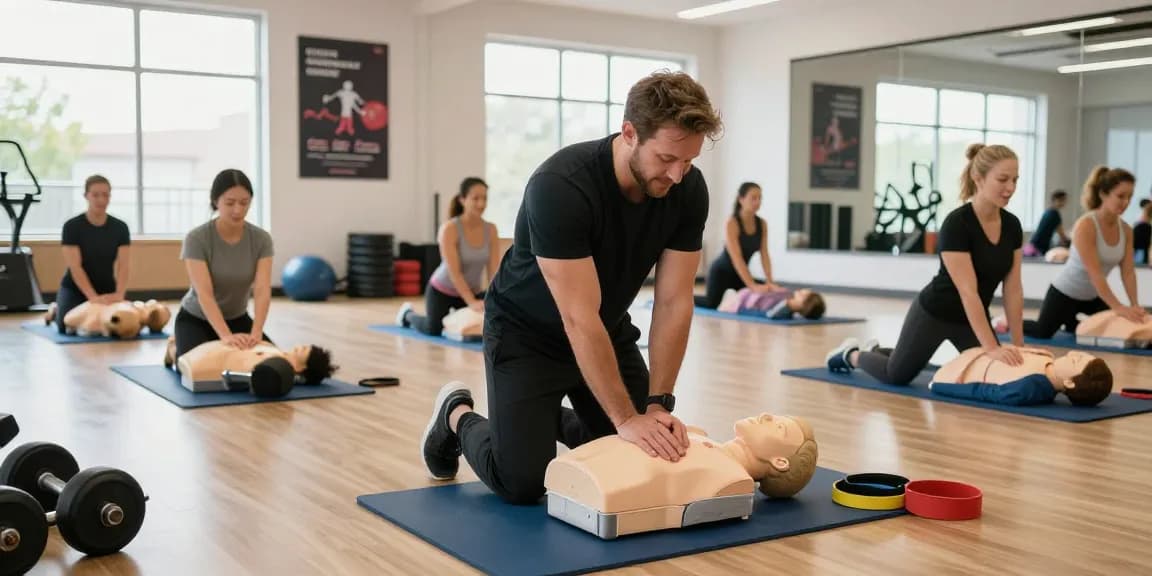
Understanding the Importance of CPR Training
Cardiopulmonary resuscitation (CPR) is a critical skill that can mean the difference between life and death in emergency situations. Having the ability to perform CPR is essential not only for healthcare professionals but also for everyday citizens. However, effective CPR training requires high-quality practice manikins, such as the prestan ultralite, which simulate real-life scenarios and enhance learning outcomes.
What is CPR and Why is It Essential?
CPR is an emergency procedure performed when the heart stops beating or when an individual is not breathing. The procedure involves chest compressions and rescue breaths, restoring blood flow and oxygen to vital organs. Immediate CPR can double or triple a victim's chances of survival, primarily when combined with early defibrillation. It is essential to grasp that CPR is a skill that can be learned and applied in critical situations by anyone, emphasizing the need for widespread training.
How Prestan Ultralite Enhances Learning Outcomes
The Prestan Ultralite manikin is designed to facilitate effective CPR training. Its realistic features, lightweight design, and affordable pricing make it a popular choice among trainers and trainees alike. The manikin provides instant feedback, allowing learners to adjust their technique in real-time. This immediate response enhances skill retention and builds confidence, which are crucial for effective CPR performance when it truly matters.
Common Misconceptions About CPR Training
Despite the importance of CPR training, several misconceptions still persist. One prevalent myth is that CPR is only necessary for healthcare professionals. In reality, anyone can learn CPR and potentially save a life. Another misconception is that CPR is complicated and requires extensive training. In fact, basic CPR techniques can be learned in a matter of hours, and ongoing refresher courses ensure skills remain sharp. Understanding these misconceptions is key to encouraging more individuals to undergo CPR training.
Best Practices for Using Prestan Ultralite Manikins
Setting Up the Training Environment
Creating a supportive training environment is essential for effective learning. Ensure the space is free from distractions and has enough room for participants to practice skills comfortably. Proper lighting and ventilation contribute to an optimal learning atmosphere. Additionally, consider having proper resources available, including first aid books or access to online tutorials, to enhance the learning experience.
Executing Effective Training Sessions
Training sessions should be structured to maximize participant engagement. Begin with a briefing on the importance of CPR, followed by a demonstration of techniques using the Prestan Ultralite manikin. Next, allow trainees to practice in pairs, encouraging feedback and collaborative learning. Incorporate various scenarios to challenge participants and help them adapt their skills to different situations.
Maintaining Equipment for Longevity and Safety
To ensure training manikins like the Prestan Ultralite remain effective and safe, regular maintenance is crucial. Clean the manikins after each use to prevent contamination, and inspect them for wear and tear. Replace any damaged parts promptly to ensure reliable performance. Keeping the manikins in good condition not only prolongs their usability but also enhances the safety of training sessions.
Overcoming Challenges in CPR Training
Addressing Anxiety and Resistance to Learning
Many participants may feel anxious about performing CPR due to fear of making mistakes or causing harm. To address these concerns, emphasize that mistakes are a natural part of the learning process. Creating a supportive environment where everyone feels comfortable practicing can significantly reduce anxiety. Utilize role-playing techniques to help individuals gain confidence in their skills.
Adapting Techniques for Diverse Learners
Every learner is unique, with varying levels of understanding and skill. Tailor your training methods to accommodate different learning styles. For example, visual learners may benefit from demonstrations, while auditory learners might prefer discussions about techniques. Providing opportunities for hands-on practice is essential, as kinesthetic learners typically grasp skills more effectively through direct experience.
Utilizing Feedback for Continuous Improvement
Feedback is vital for development in CPR training. Encourage trainees to share their thoughts on the training process and identify areas for improvement. Use this feedback to refine your teaching approach and make necessary adjustments to training sessions. Continuously assessing and adapting your methods will lead to better outcomes and more competent CPR practitioners over time.
Real-World Applications of CPR Skills
Case Studies Demonstrating Successful CPR Interventions
Examining case studies can illustrate the real-world impact of CPR training. In one notable incident, a bystander was able to perform CPR on a heart attack victim at a grocery store, ultimately saving their life. This scenario highlights not just the effectiveness of CPR, but also the importance of widespread public training. When individuals are equipped with these skills, they can become invaluable first responders in emergencies.
How Prestan Ultralite Prepares Trainees for Real Emergencies
The realistic design and immediate feedback of the Prestan Ultralite manikin are instrumental in preparing trainees for emergencies. By practicing on high-quality equipment that closely resembles real-life situations, learners can better internalize their training. This level of preparedness is essential when faced with an unfamiliar emergency scenario, and it can lead to better confidence and effectiveness in critical moments.
The Role of CPR in Workplace Safety Protocols
Implementing CPR training as part of workplace safety protocols is a proactive approach to ensuring employee safety. Businesses that invest in training reduce the risk of fatalities during emergencies. Moreover, having trained individuals on-site can foster a culture of safety, empowering employees and making them more aware of their responsibilities in emergency situations.
Future Trends in CPR Training and Equipment
Emerging Technologies in First Aid Training
Advancements in technology are shaping the future of CPR training. Virtual reality (VR) and augmented reality (AR) are increasingly being integrated into training programs, providing immersive learning experiences. These technologies can simulate various emergency scenarios, challenging trainees to apply their skills in a controlled yet realistic environment. Furthermore, mobile applications also offer interactive training modules, allowing individuals to learn at their own pace.
Predictions for Health and Safety Standards in 2026
As we look toward 2026, stricter health and safety standards are anticipated, particularly in workplaces and public spaces. Regulatory bodies may mandate CPR training for a larger segment of the population, pushing organizations to invest in high-quality training equipment like the Prestan Ultralite. This shift will ensure that more individuals are prepared to act decisively in emergencies, ultimately saving lives and improving community health outcomes.
Integrating CPR Training into Community Programs
Community programs play a vital role in promoting CPR training. Initiatives aimed at educating the public about CPR can drive awareness and participation. By collaborating with local organizations, businesses, and schools, trainers can facilitate workshops that reach diverse audiences. These programs can significantly elevate the standard of care and support in communities, ensuring that more people are equipped to assist in emergencies.
How to Choose the Right Manikin for Your Needs?
Selecting the appropriate manikin for training is crucial. Consider factors such as the training environment, the number of trainees, and the type of training being conducted. The Prestan Ultralite is an excellent choice for those seeking a balance between portability and functionality. It is essential to assess your specific needs before making a decision to ensure that the chosen manikin effectively facilitates training goals.
What Are the Benefits of Using Prestan Ultralite?
The benefits of using Prestan Ultralite manikins are numerous. They are lightweight, making them easy to transport and set up in various training contexts. Their realistic features facilitate practical training scenarios, enhancing skill acquisition. Additionally, the affordability of Prestan Ultralite manikins makes them accessible for organizations and individuals looking to invest in CPR training.
How Often Should CPR Training Be Updated?
Updating CPR training regularly is vital to maintaining competence. It is generally recommended that individuals refresh their skills every two years, as guidelines and techniques may evolve. Continuous education ensures that all practitioners remain informed about the latest best practices and adapt to changes in protocols.
What Resources Are Available for CPR Trainers?
Numerous resources are available for CPR trainers, including online databases, instructional videos, and professional organizations that provide training materials and guidelines. Engaging with these resources can enhance teaching methods and offer fresh insights that benefit trainees. Networking with other CPR instructors can also foster knowledge sharing and further improve training quality.
Who Can Benefit from CPR Training?
The benefits of CPR training extend beyond healthcare professionals. Anyone can benefit, including parents, teachers, babysitters, and even those in corporate environments. Ensuring that a broad segment of the community is trained can lead to a more prepared society, ultimately reducing the number of fatalities in emergencies.
Is Online CPR Training Effective?
Online CPR training has gained popularity and can be effective if designed correctly. Courses that combine video demonstrations with interactive elements and practical assessments can provide comprehensive learning experiences. However, hands-on practice with manikins, such as the Prestan Ultralite, is essential for developing the physical skills necessary to perform CPR effectively in real situations.