Understanding Range Issues in Richmond Hill
When it comes to your kitchen, the range is one of the most essential appliances. It serves as the heart of meal preparation, whether you're whipping up a gourmet dinner or a quick breakfast. However, ranges can develop issues that can disrupt your cooking routine. In Richmond Hill, homeowners frequently encounter a range of common problems that require timely and effective solutions. By understanding these issues, you can ensure your appliance remains in top condition, making cooking a hassle-free experience. For those facing difficulties, seeking Range Repair Richmond Hill offers comprehensive insights and solutions.
Common Problems Faced by Homeowners
Homeowners in Richmond Hill often experience several issues with their ranges. The most prevalent problems include:
- Heating Irregularities: Inconsistent heat can affect cooking times and meal quality, leading to undercooked or burnt food.
- Oven Not Heating: A common complaint where the oven fails to reach the desired temperature, causing frustration during meal preparation.
- Gas Leaks: Particularly common in gas ranges, a leak can pose a serious safety hazard.
- Ignition Problems: Problems with the ignition system can prevent the range from lighting, making it unusable.
Importance of Timely Repairs
Addressing range issues promptly is crucial for several reasons. Ignoring minor problems can lead to more significant malfunctions, often resulting in costly repairs. Additionally, a malfunctioning range can compromise food safety and your cooking experience. Homeowners should prioritize regular maintenance and immediate repairs when issues arise to avoid these pitfalls.
Impact of Seasonal Use on Range Performance
Seasonal changes can significantly impact how ranges perform. For instance, during winter, the increased use of ovens for baking and cooking larger meals can lead to overheating and overworking the appliance. Conversely, in summer months, ranges may not be used as frequently, leading to a decline in performance due to inactivity. Understanding how seasonal use affects your range can help in planning maintenance and identifying potential issues early on.
Essential Tools for Effective Range Repair
Must-Have Tools for Every Technician
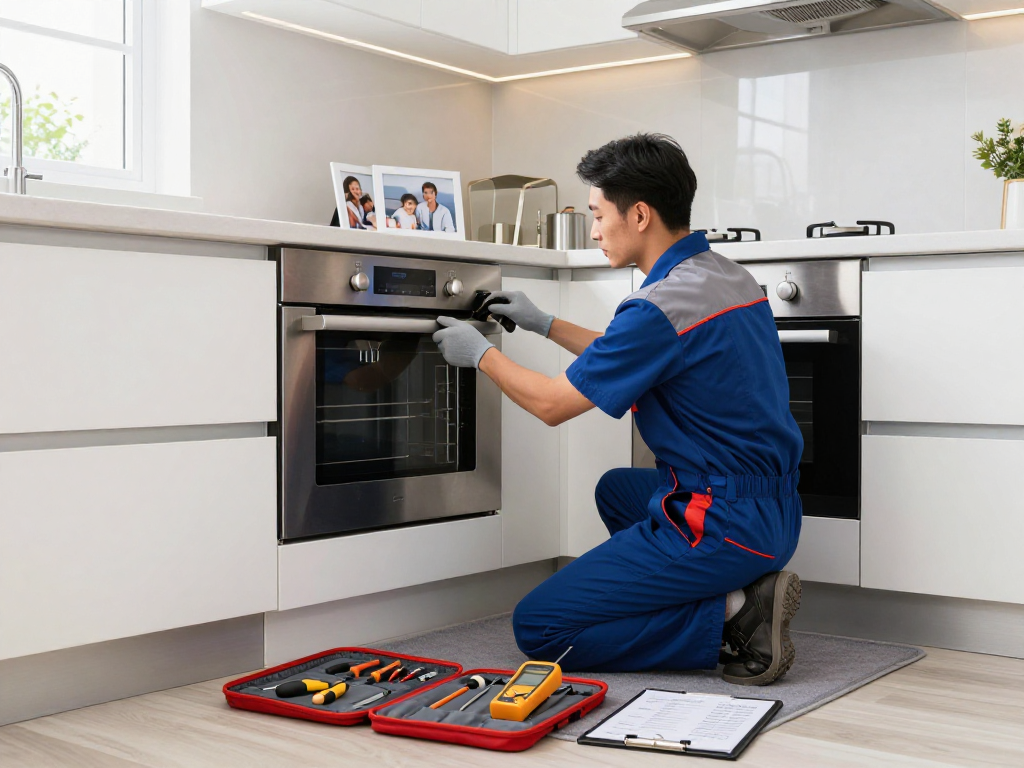
Repairing a range effectively requires specific tools. Technicians often rely on:
- Screwdrivers: Essential for removing and securing parts.
- Multimeter: Useful for testing electrical components and ensuring they function correctly.
- Wrenches: Necessary for tightening and loosening gas connections.
- Thermometer: To verify temperature accuracy in ovens.
Safety Equipment to Consider
Safety should always be a priority during repairs. Technicians should invest in equipment such as:
- Safety Goggles: To protect eyes from debris.
- Gloves: For hand protection while handling sharp or hot components.
- Respirators: Especially in cases of gas repairs, to avoid inhaling harmful fumes.
DIY vs. Professional Tools: What's Needed?
For homeowners considering DIY repairs, basic tools can suffice for minor fixes. However, professional-grade equipment is often necessary for more complicated issues. It's essential to evaluate whether the tools you have can adequately handle the repairs needed for your range.
Step-by-Step Range Repair Guide
Diagnosing Common Range Problems
The first step in repairing a range is accurate diagnosis. Common diagnostic techniques include:
- Visual Inspection: Look for obvious signs of damage or disconnection.
- Listening for Sounds: Unusual noises often indicate specific issues that need attention.
- Temperature Testing: Using a thermometer to check if the oven reaches its set temperature can reveal heating problems.
Repair Techniques for Electric Ranges
Electric ranges often have issues related to electrical components. Here are some repair techniques:
- Replacing Heating Elements: If an element is not heating, it might simply need replacement.
- Fixing Thermostat Issues: An inaccurate thermostat can result in temperature inconsistency, which may require calibration or replacement.
- Wiring Repairs: Damaged wires can cause power loss; thus, they need to be promptly repaired or replaced.
Repair Techniques for Gas Ranges
Gas ranges require specific techniques due to their unique components:
- Fixing Igniters: If the igniter fails to spark, it may need replacement.
- Checking Gas Flow: Ensuring gas lines are clear and functional is crucial for the range's operation.
- Sealing Leaks: Any detected gas leaks must be immediately sealed and repaired to ensure safety.
Preventative Maintenance for Ranges
Routine Maintenance Tips for Homeowners
Preventative maintenance can significantly extend the life of your range. Homeowners should consider the following tips:
- Regular Cleaning: Clean spills and residue promptly to avoid buildup.
- Check Seal Integrity: Ensure the oven door seals are intact to maintain efficiency.
- Inspect Ignition Systems: Regular checks can prevent larger problems down the line.
Signs That Your Range Needs Immediate Attention
Be vigilant for signs that your range may need repairs, such as:
- Unusual Noises: Listen for any strange sounds during operation.
- Inconsistent Heating: Notice any irregular heating patterns.
- Gas Odors: Any smell of gas should prompt immediate action.
How Regular Maintenance Can Save Costs
Regular maintenance can prevent costly repairs and extend the lifespan of your range. By addressing issues early, homeowners can save significantly on future repair costs. It’s much more economical to maintain than to replace.
Future Trends in Range Technology and Repair
Impact of Smart Technology on Range Repair
The advent of smart ranges is revolutionizing kitchen technology. These devices can self-diagnose issues and notify owners of maintenance needs. As technology evolves, understanding these systems will be crucial for effective repairs.
Eco-Friendly Ranges and Repair Practices
Increasingly, homeowners are turning to eco-friendly ranges that consume less energy. Repair practices will also evolve to ensure that repairs are environmentally sustainable, utilizing non-toxic materials and methods.
What to Expect in Range Repairs by 2026
By 2026, we can expect range repairs to become more streamlined, with enhanced diagnostic tools and parts availability. Technicians will likely utilize advanced technology for repairs, reducing the time and cost involved.
How can I maintain my range effectively?
Effective range maintenance involves regular cleaning, checking for leaks, and ensuring optimal functionality through periodic professional inspections.
What should I do if my range is not heating properly?
If your range isn’t heating properly, begin by checking the heating elements or igniters. If those are functional, consider consulting a technician for a thorough diagnostic.
Are there eco-friendly options for range repairs?
Yes, many companies now offer eco-friendly practices and parts, focusing on sustainability and non-toxic materials.
How frequently should I have my range serviced?
It is advisable to have your range serviced at least once a year, or more frequently if you use it extensively.
What are the common safety concerns with gas ranges?
Common safety concerns include gas leaks, improper venting, and the risk of flames. For more information, Appliance Repair offers valuable insights. Regular inspections can mitigate these risks.