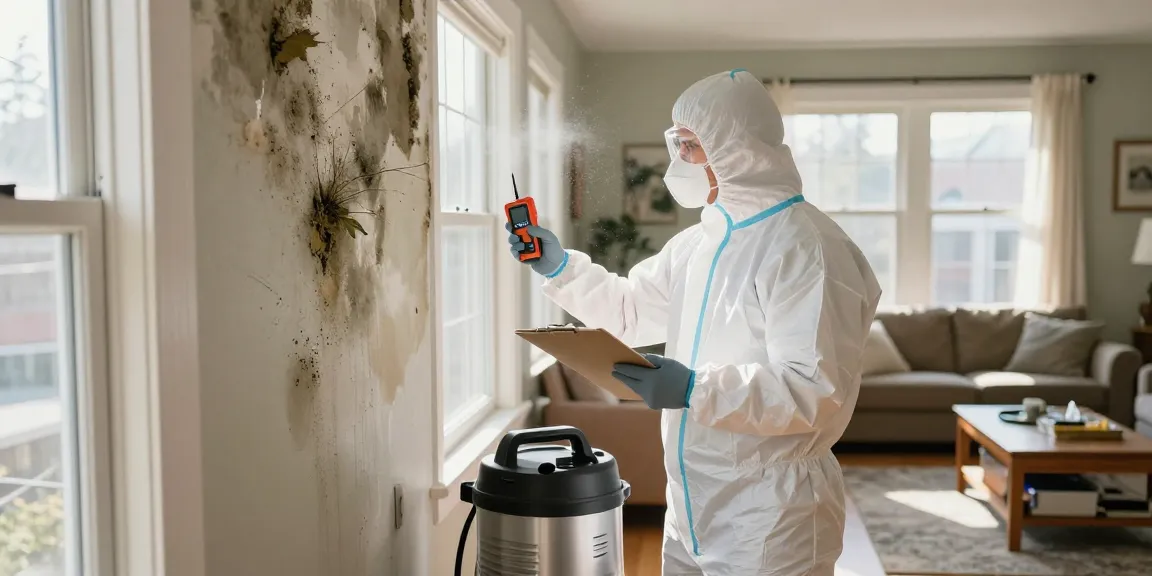
Understanding Mold Issues in North Vancouver
Mold is a ubiquitous problem in many regions, but it is particularly prevalent in North Vancouver due to its moist coastal climate. Homeowners often find themselves battling mold growth in various areas of their properties, which can pose serious health risks and damage structural integrity. Effective mold remediation is essential to addressing this issue, and it is crucial for residents to understand the fundamentals of mold, why it thrives in their environment, and the signs that indicate a potential infestation. When exploring options, Mold Remediation North Vancouver provides comprehensive insights for effective solutions and safety in their homes.
What is Mold and Why is it a Concern?
Mold is a type of fungus that thrives in damp, warm environments. It reproduces by creating spores, which can easily become airborne and spread throughout a home. Mold can grow on a variety of surfaces, including wood, drywall, and carpet, and it often appears as a fuzzy or discolored patch. The primary concern with mold is its potential to cause health complications, particularly respiratory issues, allergic reactions, and even serious infections in immunocompromised individuals. Beyond health risks, mold can also lead to significant property damage, making immediate remediation necessary.
Identifying Common Signs of Mold Infestation
Homeowners should be vigilant about recognizing the signs of mold growth. Common indications include:
- Visible patches of mold on walls, ceilings, or furniture
- A musty odor in certain areas of the home
- Water stains or discoloration on ceilings or walls
- Peeling paint or wallpaper
- Increased allergy symptoms among occupants
These signs often point toward hidden mold, particularly in areas prone to moisture, such as bathrooms or basements.
The Impact of Vancouver's Climate on Mold Growth
Vancouver's climate, characterized by heavy rainfall and high humidity, creates an ideal breeding ground for mold. The region experiences mild, wet winters that result in damp conditions inside homes, especially in poorly ventilated spaces. This moisture can become trapped, making it easier for mold to flourish. Homeowners must remain proactive about ventilation and moisture control to mitigate the risk of mold proliferation.
The Importance of Certified Mold Remediation
For effective mold removal, relying on certified professionals can make all the difference. Certified mold remediation technicians are trained to handle the complexities of mold problems safely and effectively, employing industry-standard methods to ensure thorough mitigation while minimizing disruption to your home.
Why Choose Certified Technicians for Mold Removal?
Certified technicians bring a wealth of knowledge and experience to the table. They understand the specific conditions that promote mold growth in North Vancouver's unique climate and utilize specialized techniques and equipment to address both the mold and its underlying causes. Their training ensures compliance with current health and safety regulations, safeguarding both residents and the environment.
Understanding IICRC Standards in Remediation
The Institute of Inspection, Cleaning and Restoration Certification (IICRC) has established standards that professionals in the remediation industry are encouraged to follow. These standards ensure that mold remediation is performed effectively, with a focus on containing the problem, removing contaminated materials, and restoring the affected areas properly. Adhering to IICRC standards not only increases the chances of successful remediation but also protects the health and safety of your household.
The Risks of DIY Mold Cleanup
While some may consider tackling mold removal on their own, DIY cleanup can pose significant risks. Without proper training, individuals may inadvertently spread mold spores or fail to address the moisture source, leading to further growth. Moreover, attempting to remove toxic molds without the appropriate safety equipment can expose individuals to harmful toxins. Engaging certified professionals is the safest and most effective way to prevent future mold infestations.
The Mold Remediation Process Explained
An effective mold remediation process is systematic and thorough, aimed at not only removing visible mold but also preventing its return. Understanding what to expect can help homeowners feel more at ease during remediation.
Step-by-Step Guide to Effective Mold Remediation
The typical process for mold remediation includes the following steps:
- Inspection: A thorough examination of the property to identify the source of moisture and extent of mold growth.
- Containment: Establishing barriers to prevent mold spores from spreading during the cleanup process.
- Air Filtration: Using HEPA filters to capture airborne spores during remediation efforts.
- Mold Removal: Safely removing contaminated materials and cleaning affected surfaces using antimicrobial solutions.
- Restoration: Repairing and restoring areas affected by mold, which may include replacing drywall or repainting surfaces.
Tools and Equipment Used in Mold Removal
Professionals use various tools and equipment to conduct mold remediation, including:
- HEPA vacuums for capturing mold spores
- Moisture meters for detecting hidden dampness
- Air scrubbers to purify the air during the cleanup process
- Protective gear, including gloves and respirators to safeguard technicians from exposure
Post-Remediation Cleaning and Restoration Procedures
Once mold remediation is complete, additional cleaning and restoration procedures are necessary to ensure a safe and healthy environment. Furniture, carpets, and other belongings may require deep cleaning to remove any remaining spores or odors. It's essential to monitor humidity levels in the home and repair any lingering moisture issues that could lead to future mold growth.
Cost Factors for Mold Remediation in North Vancouver
The cost of mold remediation can vary significantly based on several factors, including the severity of the infestation, size of the affected area, and method of remediation employed. Homeowners should be informed about what influences the overall cost and how to secure accurate estimates.
What Influences the Overall Cost of Services?
Key factors that affect the price of mold remediation include:
- The extent of mold growth and affected areas
- The types of materials that require remediation
- Geographical location and accessibility of the property
- The company’s experience and certification level
Getting Accurate Estimates for Your Property
It's advisable to obtain quotes from multiple remediation companies. A reputable service provider will assess the property thoroughly before offering an estimate. Be sure to inquire about what is included in the price and whether additional services, such as follow-up inspections, are part of the package.
Understanding Insurance Coverage for Mold Issues
Homeowners should check their homeowner’s insurance policies regarding mold coverage. Coverage can vary widely, and understanding what is included will help alleviate some of the financial burden associated with mold remediation. In some cases, if mold is a result of sudden water damage, the remediation costs may be covered; however, routine maintenance issues may not be.
Preventing Future Mold Growth in Your Home
Prevention is key when it comes to avoiding future mold infestations. Implementing best practices for moisture control and routine maintenance can save homeowners from costly remediation down the road.
Best Practices for Mold Prevention in Damp Areas
To reduce the risk of mold growth, consider the following preventive measures:
- Ensure proper ventilation in areas prone to moisture, such as bathrooms and kitchens.
- Use dehumidifiers in damp spaces, especially basements.
- Inspect and repair plumbing leaks promptly to prevent water accumulation.
- Maintain gutters and downspouts to ensure proper drainage away from the home.
Importance of Regular Maintenance and Inspections
Conducting regular home inspections can help identify potential mold problems before they escalate. Look for signs such as water stains or musty odors, and be particularly vigilant after heavy rainfall or flooding events. Keeping your home dry and well-maintained is crucial to preventing mold issues.
Community Resources for Ongoing Mold Management
Residents of North Vancouver can take advantage of community resources, including local health departments and environmental organizations, which often provide information on mold prevention and remediation. Engaging with these resources can help residents stay informed about best practices and available services.
What Are the Signs That You Need Mold Remediation?
Lastly, understanding when professional help is needed is vital. Signs include:
- Visible mold growth
- Persistent musty odors
- Health issues among household members
- Water damage or flooding